Congressional staff play a central role in shaping U.S. foreign policy through legislative drafting, oversight appropriations, and strategic advisory functions. The US-Asia Institute strives to bridge the gap between congressional staff and the evolving geopolitical environments of Asia by implementing Congressional Fellowship programs. Fellows will have the opportunity to take part in a series of structured briefings designed to deepen policy-relevant understanding and promote cooperation, understanding, and analytical capacity.
Our most recent installment of this program was the U.S.–Korea–Japan Trilateral Congressional Fellowship, a structured briefing series designed to deepen policy-relevant understanding among senior Congressional staff.
The U.S.–Korea–Japan Trilateral Congressional Fellowship demonstrates that targeted, nonpartisan educational programs can significantly enhance Congressional staff understanding of complex international relationships. Through a combination of expert-led briefings, structured curriculum design, and direct engagement with policymakers, the program achieved measurable improvements in:
Baseline knowledge
Analytical integration across policy domains
Confidence in applying insights to legislative work
Importantly, the Fellowship also contributed to a broader understanding of the evolving nature of alliances in the Indo-Pacific, where economic security, technological competition, and geopolitical dynamics are increasingly interconnected. As the United States continues to navigate a rapidly changing strategic environment, investments in policy education and relationship-building among Congressional staff will remain essential. USAI’s Congressional Fellowship initiative will offer a replicable model for strengthening informed policymaking and sustaining effective engagement with key allies.
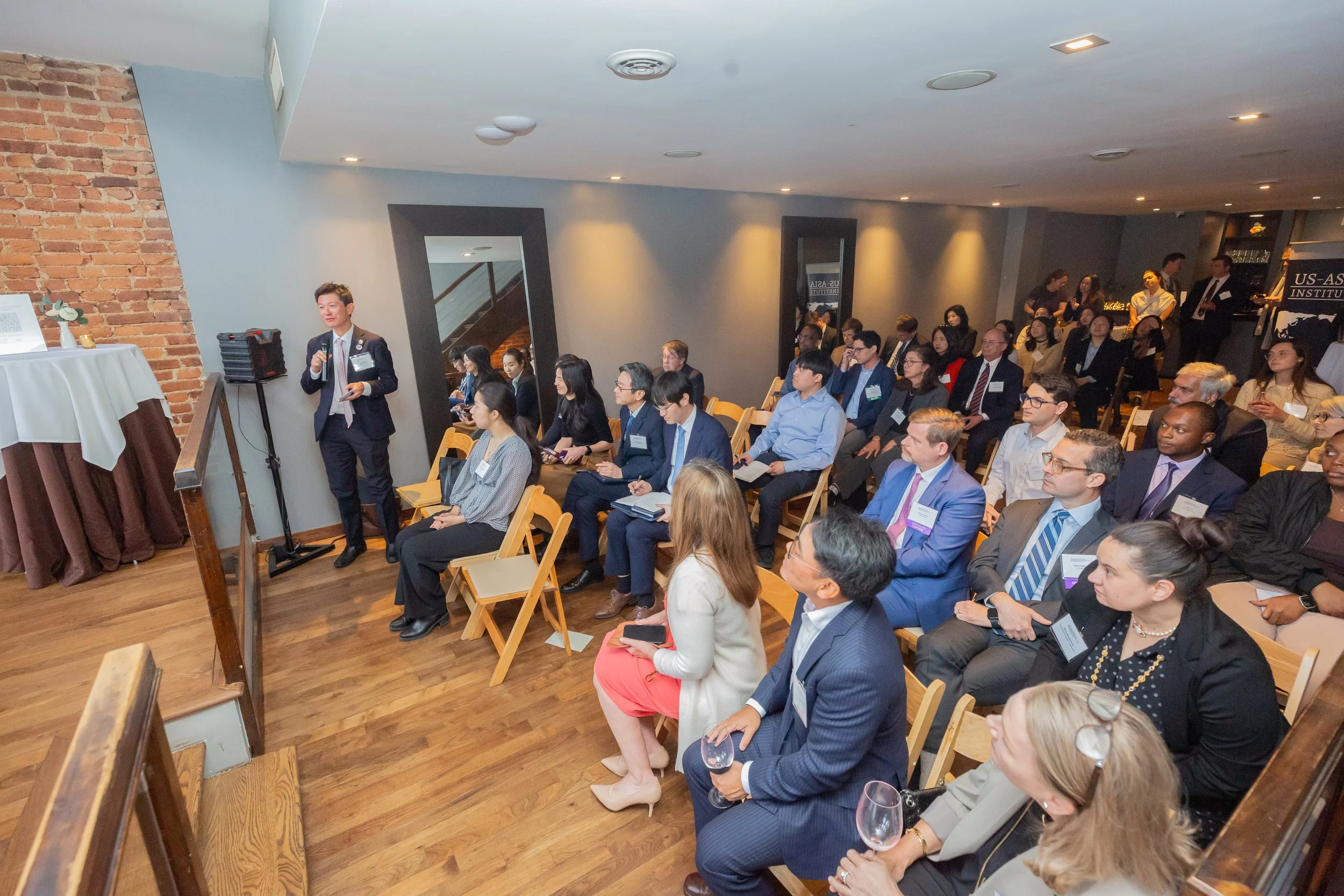
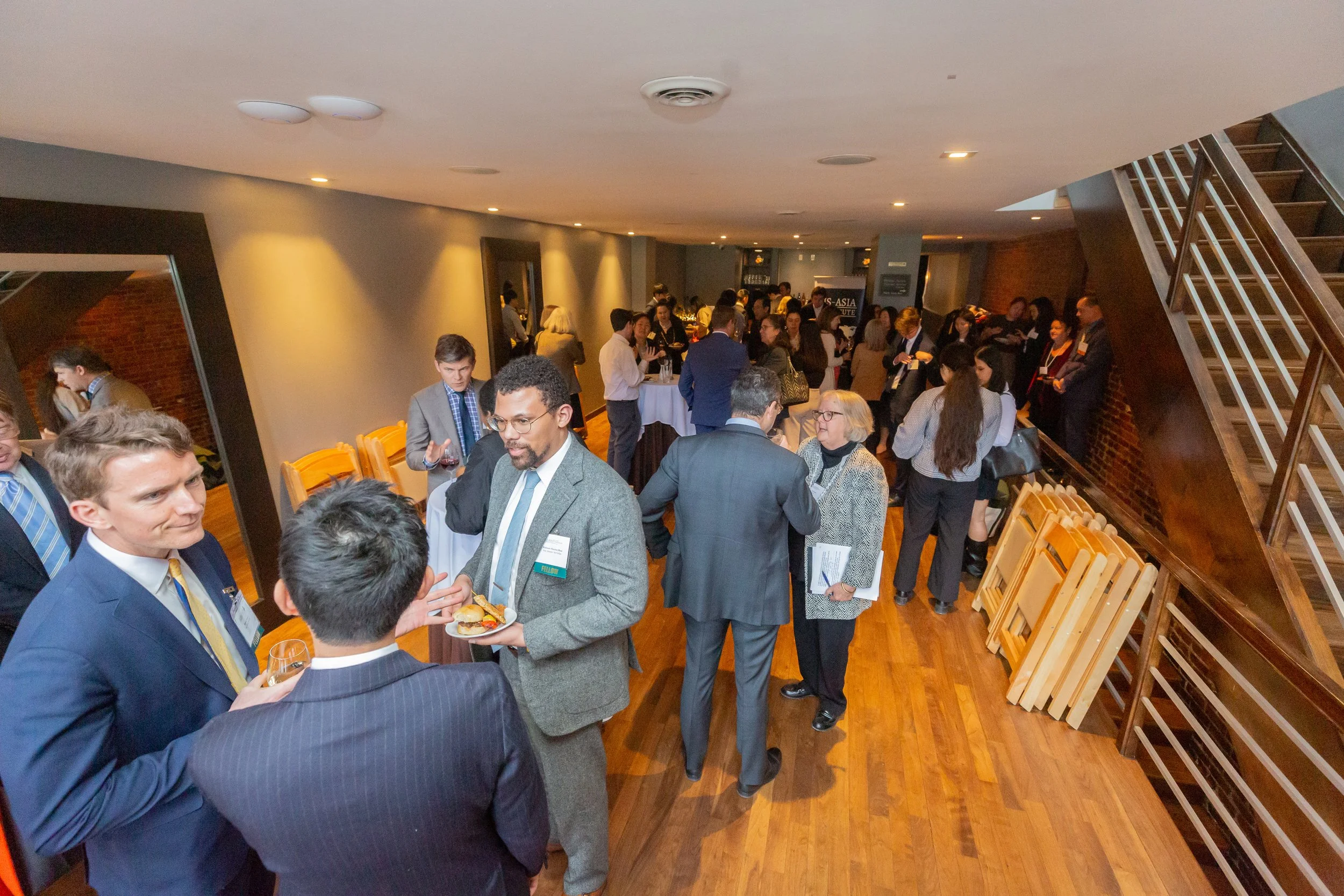
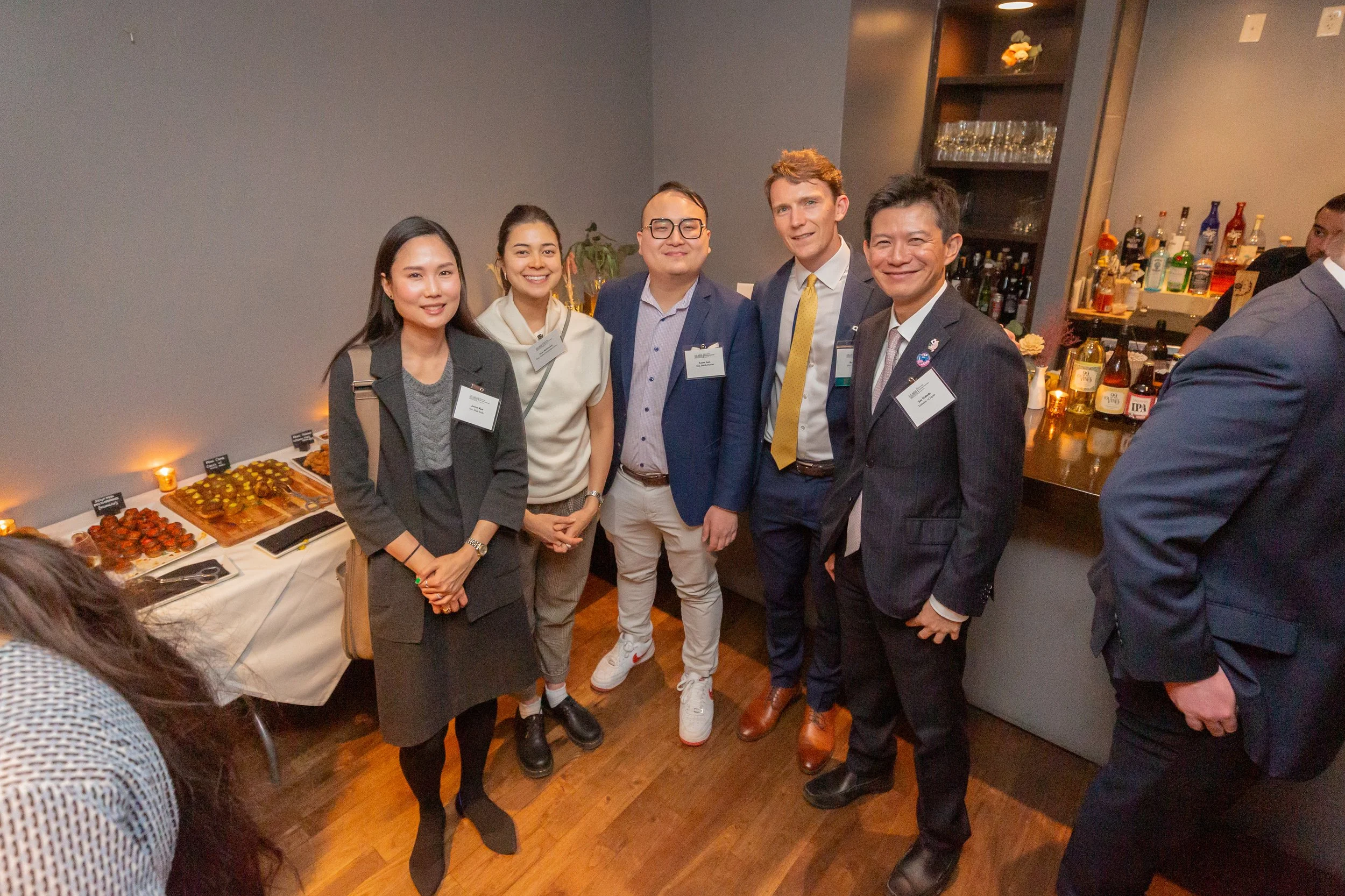
Highlights from the capstone event of the U.S.-Japan-ROK Trilateral Fellowship program:


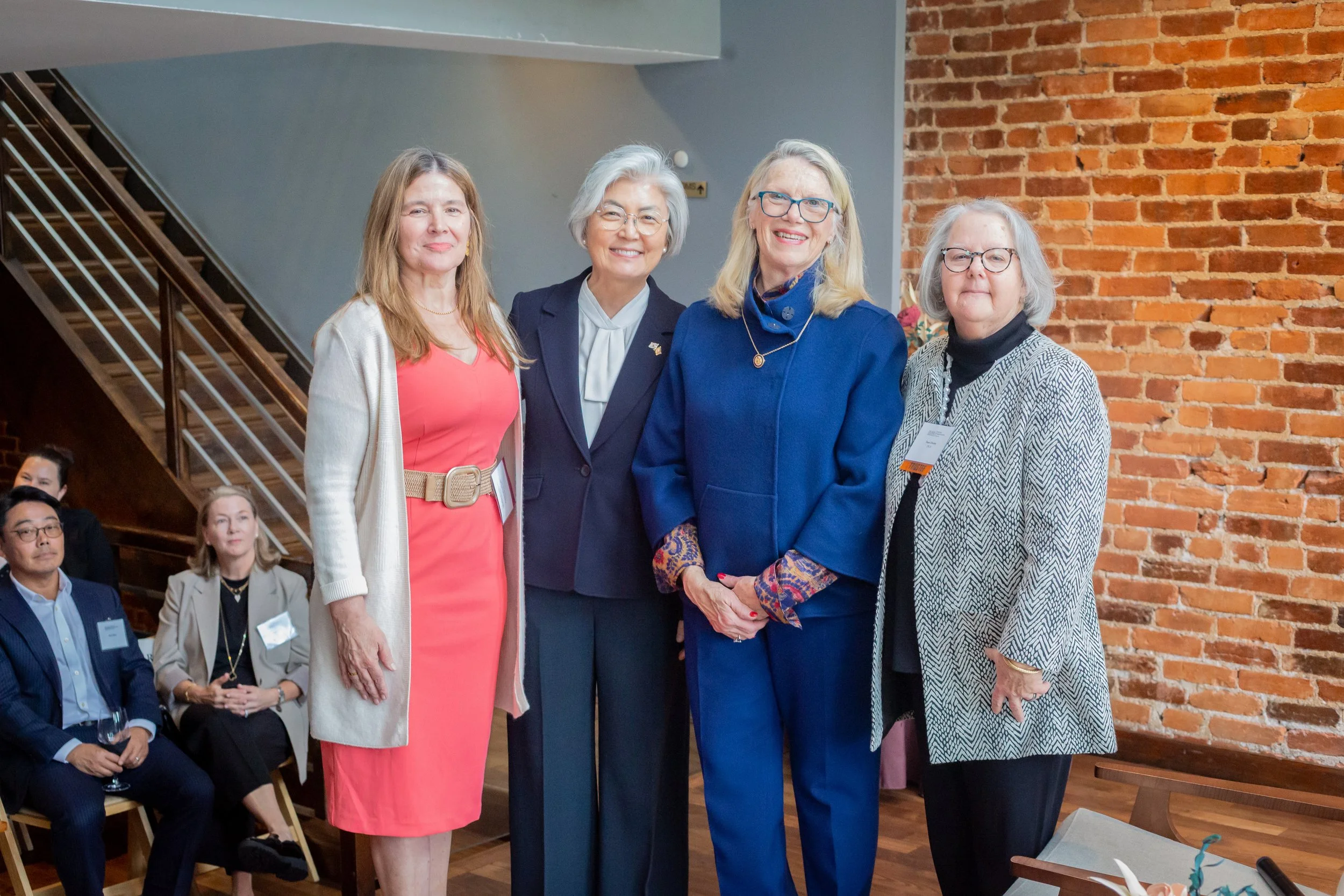

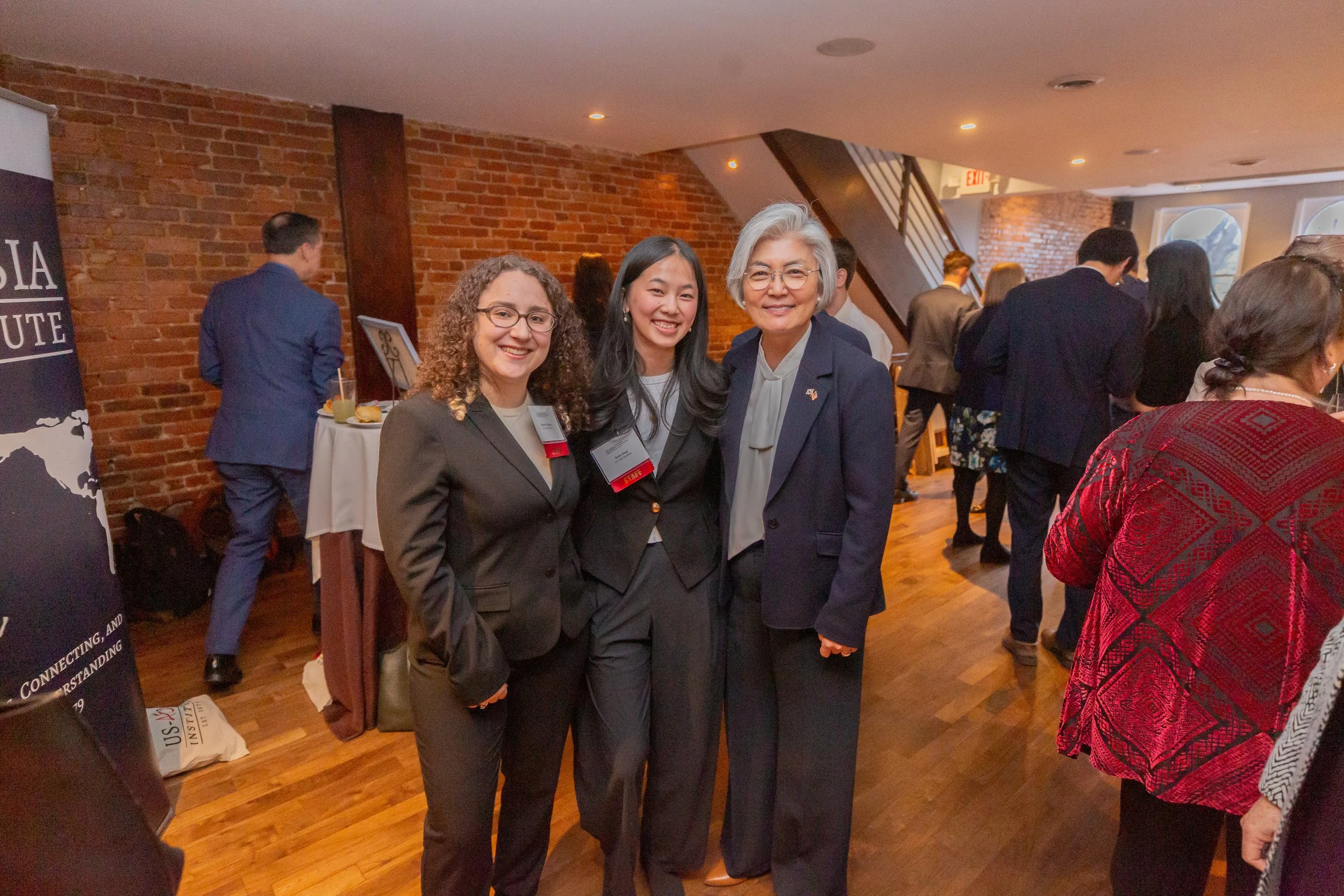
Building Trilateral Understanding on Capitol Hill:
Why the U.S.–Korea–Japan Fellowship Matters
In an era defined by strategic competition, economic interdependence, and rapidly evolving security challenges, the relationship among the United States, the Republic of Korea, and Japan has emerged as one of the most consequential partnerships in the Indo-Pacific.
Yet while this trilateral relationship is increasingly central to U.S. policy, opportunities for Congressional staff, the individuals who help shape legislation, advise Members, and guide oversight, to develop deep, integrated expertise on these issues remain limited.
To help address this gap, the U.S.-Asia Institute launched the inaugural U.S.–Korea–Japan Trilateral Congressional Fellowship, a bipartisan, bicameral program designed to equip senior Congressional staff with a more comprehensive understanding of the strategic, economic, and security dimensions of trilateral cooperation.
What the Fellowship Did
The Fellowship brought together more than 40 senior Congressional staff per session for a three-part, off-the-record briefing series in Washington, D.C., followed by a capstone event featuring a discussion with the Republic of Korea’s Ambassador to the United States.
Each session focused on a core dimension of the trilateral relationship:
The strategic foundations of U.S.–Korea–Japan cooperation
Economic security, supply chains, and emerging technologies
Regional security challenges, including North Korea and China
The program was intentionally designed to move beyond siloed policy discussions and instead provide an integrated view of how economic, technological, and security issues intersect in the Indo-Pacific.
A central feature of the Fellowship was its research component. Participants completed surveys before and after the program, allowing the Institute to measure how effectively the briefings increased knowledge and policy understanding.
[Read our full research report here]
What We Learned
The results were clear: even within a limited time frame, targeted, expert-led programming can significantly improve policy-relevant understanding among Congressional staff.
Participants reported:
A substantial increase in overall familiarity with the trilateral relationship
A stronger understanding of how economic security, particularly supply chains and semiconductors, fits into alliance strategy
More nuanced views of regional threats and the role of trilateral coordination in addressing them
Greater confidence in applying this knowledge to their legislative and advisory work
Perhaps most importantly, the Fellowship helped participants connect the dots across policy domains, an essential skill in today’s geopolitical environment, where economic tools, technological leadership, and security strategy are increasingly intertwined.
What Could Make It Even Stronger
While the Fellowship was highly effective, the experience also highlighted opportunities for improvement.
Future iterations could incorporate:
Scenario-based tabletop exercises, allowing participants to apply what they’ve learned in real-time decision-making environments
In-country delegations to Korea and Japan, providing firsthand exposure to the political, economic, and security contexts shaping policy
Longer-term engagement, including follow-on roundtables and issue-specific deep dives
These enhancements would build on a strong foundation and further strengthen the program’s impact.
Why This Matters
Congressional staff are among the most important, but often overlooked, actors in U.S. foreign policy. They draft legislation, shape strategy, advise Members of Congress, and serve as the connective tissue between policy ideas and real-world action.
Investing in their understanding of critical relationships like the U.S.–Korea–Japan partnership is not simply an educational exercise, it’s a strategic imperative.
As alliances evolve to encompass economic security, advanced technologies, and coordinated responses to regional challenges, policymakers must be equipped with a more integrated and forward-looking perspective.
The Trilateral Fellowship demonstrates that with the right structure, expertise, and engagement, it is possible to build that understanding, and to do so in a way that is bipartisan, practical, and directly relevant to policymaking.
At a time when the Indo-Pacific will shape the trajectory of global politics and economics, strengthening informed engagement on Capitol Hill is one of the most important investments we can make.


